From Enemy to Ally: The Art of the Fantasy Betrayal That Runs in Reverse
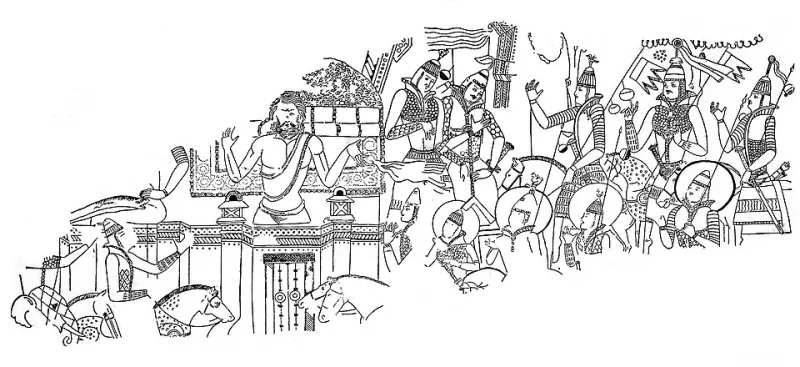
Photo: Albert von Le Coq (8 September 1860 Berlin, Prussia – 21 April 1930 Berlin, Germany), Public domain, via Wikimedia Commons
There's a particular kind of reading experience that doesn't get talked about enough. It's not the gasp when a beloved character dies. It's not the electric moment a prophecy clicks into place. It's something quieter and arguably more satisfying — the slow, creeping realization that the person you spent two hundred pages despising is about to become someone you'd follow into a dragon's lair.
Redemption arcs are everywhere in fantasy. But earned redemption arcs? Those are rarer than a truthful oracle.
So what separates the character reversals that feel like genuine storytelling triumphs from the ones that feel like an author chickened out of committing to a villain? It comes down to a few specific mechanics — and once you see them, you can't unsee them.
The Setup Has to Start Way Earlier Than You Think
The biggest mistake writers make with redemption arcs is treating them like a late-game plot device. They need a villain to switch sides, so they sprinkle in some sympathy in book three and hope readers buy it. They don't. Audiences are sharp, and they can smell a retcon from a mile away.
The arcs that actually work plant seeds in book one, sometimes in the very first scene a character appears in. It might be something as small as a moment of hesitation before cruelty. A flicker of recognition when the hero mentions something from their shared past. A line of dialogue that sounds like a threat but lands, weirdly, like grief.
Think about how Zuko from Avatar: The Last Airbender — yes, it's technically animated, but the storytelling principles are pure fantasy — operated from episode one. He wasn't cartoonishly evil. He was wounded. His cruelty had a source, and the show trusted its audience to hold that information without resolving it for years. By the time Zuko made his choice, it didn't feel like a surprise. It felt inevitable in the best possible way.
That's the goal: not to shock readers, but to make them feel, in retrospect, like they should have seen it coming all along.
Sympathy Isn't the Same as Likability
Here's a distinction that trips up a lot of writers: you don't have to make a villain likable to set up their redemption. You have to make them understandable.
Likability is about charm. Understandability is about logic. If readers can trace the internal architecture of why a character does terrible things — even if they're horrified by those things — they'll unconsciously keep a door open. That open door is what the author walks the character through when the arc finally turns.
Jaime Lannister in A Song of Ice and Fire is a masterclass in this. George R.R. Martin gives us a character introduced through an act of profound betrayal, someone the audience is primed to hate. But then he methodically, almost clinically, dismantles the mythology around that act. He doesn't excuse it. He contextualizes it. Suddenly the villain isn't a villain — he's a person who made an impossible choice and has been carrying the weight of the world's judgment ever since.
Readers don't have to forgive Jaime to root for him. They just have to understand him. That's a crucial difference.
The Moment of No Return Has to Cost Something
One of the surest signs that a redemption arc is going to fall flat is when the character switches sides without losing anything. They defect, they help the heroes, and suddenly everything is fine. That's not a character arc — that's a plot convenience wearing a character arc costume.
The reversals that stick are the ones where the character pays a real price. They lose something they valued. They burn a bridge they can't rebuild. They make an enemy of someone who used to protect them, or they sacrifice something that was genuinely precious.
This cost does two things simultaneously. First, it makes the change feel real — actions have consequences, and a character willing to absorb those consequences is a character who has genuinely shifted. Second, it creates emotional stakes for the reader. We're not just watching a chess piece move across the board. We're watching someone blow up their own life because they finally decided what they actually believe in.
That's the stuff that makes people ugly-cry on airplanes while reading.
Why We Crave These Moments So Badly
There's something almost therapeutic about a well-executed redemption arc, and it's worth asking why.
Part of it is probably wish fulfillment — the hope that people can change, that the worst versions of ourselves or the people around us aren't permanent. Fantasy, more than almost any other genre, traffics in transformation. Magic changes the world. Quests change the hero. Why wouldn't people change each other?
But there's also something specifically satisfying about the reversal of an established dynamic. We invested in hating this character. We built a whole mental model of who they were. When that model breaks apart and gets rebuilt into something new, we're not just experiencing a character development — we're experiencing a kind of story-level surprise that feels more personal than a plot twist. The author didn't just surprise the protagonist. They surprised us.
The Trap: Forgiveness as a Shortcut
A quick word of warning, because this trap swallows otherwise good stories whole: redemption doesn't require forgiveness. And forcing forgiveness as the tidy resolution to a redemption arc can actually undercut the whole thing.
If a character has done genuinely terrible things, having every affected party immediately embrace them cheapens both the original harm and the arc itself. Some characters can earn a place at the hero's table without ever fully earning absolution. Some relationships stay broken even when the person who broke them has changed. That's not a failure of the redemption arc — that's realism operating inside a fantastical space, and it's often more emotionally resonant than a clean reconciliation.
The best fantasy writers understand that redemption is about the person who changed, not about whether everyone around them has processed that change on a convenient timeline.
The Sword That Points Both Ways
At its core, the enemy-turned-ally arc is about the same thing all great fantasy is about: the idea that the world isn't fixed. That the lines we draw between good and bad, hero and villain, us and them, are lines we drew ourselves — and sometimes, when the light hits just right, we can see them for what they are.
When an author pulls off one of these arcs without flinching, without cheating, without rushing — it's one of the most powerful things the genre can do. It takes the reader's certainty and gently, deliberately dismantles it. And in its place, it builds something a little more complicated, a little more true.
Which is, honestly, what the best stories have always been for.